SaaS Security: Common Risks and Best Practices
Sponsored — this is a paid guest post. Outbound links may be sponsored placements.
Quick summary
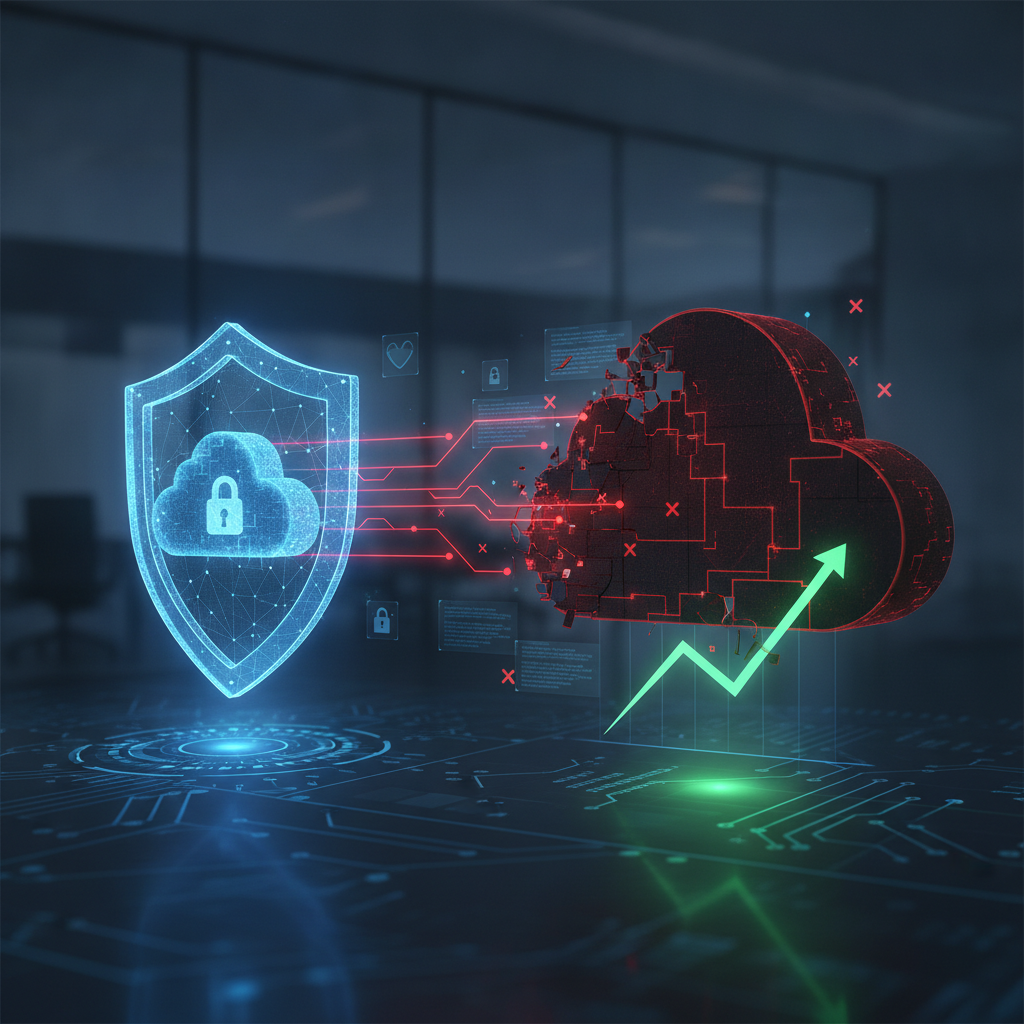
As cloud applications scale, security becomes a critical driver of trust and growth. Learn the most common SaaS security risks and actionable best practices to protect your platform.
Moving fast is the ultimate competitive advantage for modern software companies. However, rapid deployment cycles often come with a hidden trade-off: security debt. In the rush to launch new features, meet aggressive product roadmaps, and win early customers, engineering teams sometimes push security considerations to the background.
That mindset is increasingly dangerous. Modern B2B buyers prioritize data protection just as much as core functionality. A single breach can derail enterprise sales pipeline, destroy customer trust, and trigger regulatory penalties. Robust SaaS security is no longer just a defensive operational task; it is a foundational enabler of business growth.
Why SaaS Security Matters Now More Than Ever
The transition from traditional on-premise software to cloud-delivered SaaS shifted the responsibility of infrastructure management, data storage, and uptime onto the software vendor. When enterprise customers purchase your product, they are trusting you with their most sensitive operational data.
Because SaaS platforms rely on multi-tenant architectures, continuous integrations, and web-accessible API endpoints, your attack surface expands every time you ship code. Security breaches in cloud applications do not just impact internal operations—they compromise your users.
Security is not a feature you add right before launching an enterprise tier. It is an architectural commitment that defines how much your customers can trust you.
Top SaaS Security Risks Facing Growing Platforms
Understanding where your software is vulnerable is the first step toward building a resilient system. Here are the primary SaaS security risks that product leaders and engineers must actively monitor.
1. Misconfiguration and Mismanaged Access
Cloud environments are complex ecosystem of storage buckets, permission policies, and network gateways. Overly permissive default roles, exposed database endpoints, or forgotten staging environments account for a massive share of security incidents. Broken access control allows unauthorized users to view, modify, or delete tenant data simply by manipulating URL parameters or API headers.
2. Multi-Tenancy Data Leakage
The magic of SaaS lies in multi-tenancy—serving thousands of customers on shared infrastructure. However, if your application backend lacks rigorous tenant isolation checks, one customer may inadvertently access another customer's data. Cross-tenant data leakage is one of the fastest ways to destroy user confidence and breach compliance standards.
3. Insecure APIs and Third-Party Integrations
Modern platforms rely heavily on webhooks, public APIs, and third-party app stores to extend their product ecosystem. If these endpoints lack proper authentication, payload validation, or rate limiting, malicious actors can exploit them to scrape data, flood services, or gain unauthorized access to internal resources.
4. Identity Management and Account Takeovers
Weak password enforcement, lack of multi-factor authentication, and long-lived session tokens make user accounts prime targets for phishing and credential stuffing attacks. When an administrative or high-privilege user account is compromised, attackers gain unrestricted access to the underlying organizational data.
Actionable SaaS Security Best Practices
Securing your product does not require grinding feature velocity to a halt. Instead, mature software teams embed defense mechanisms directly into their daily operations and development workflows. Start by implementing these proven best practices:
- Implement Strict Role-Based Access Control (RBAC): Enforce the principle of least privilege. Users and internal services should only access the data absolutely necessary to perform their roles.
- Enforce Multi-Factor Authentication (MFA): Require MFA across all employee tools, administrative consoles, and end-user accounts.
- Encrypt Data Everywhere: Protect data both in transit (using TLS 1.3) and at rest (using AES-256 encryption). Maintain strict cryptographic key management practices.
- Enforce Tenant Isolation at the Data Layer: Ensure every database query programmatically validates the active session's tenant ID, eliminating cross-tenant leakage risks.
- Automate Dependency and Vulnerability Scanning: Integrate vulnerability scanning tools into your CI/CD pipeline to flag outdated open-source packages before code reaches production.
- Schedule Periodic Penetration Testing: Engage third-party security researchers annually to run penetration tests and reveal logic flaws that automated tools might miss.
Building a Security-First Product Culture
Technical controls alone cannot protect your platform if internal operating culture treats security as a hindrance. Creating a security-conscious company starts with product management and executive leadership.
Ensure product managers write security acceptance criteria into user stories. Allocate dedicated engineering sprint capacity for resolving security debts alongside regular feature development. When security becomes a shared team value rather than an afterthought, compliance frameworks like SOC 2 and ISO 27001 become natural outcomes of your daily operations.
Frequently Asked Questions About SaaS Security
When should an early-stage SaaS startup prioritize security?
Security should be factored into your software architecture from day one. Basic measures like data encryption, session management, and tenant isolation cost very little to implement early, but require expensive, disruptive rewrites if delayed until scaling.
What is the difference between cloud security and SaaS security?
Cloud security focuses on securing underlying cloud infrastructure managed by providers like AWS, Azure, or Google Cloud. SaaS security focuses on protecting the application layer, user authentication, customer data handling, and integrations built on top of that cloud infrastructure.
How long does it take to achieve SOC 2 compliance?
Achieving SOC 2 Type I usually takes between 2 to 4 months, focusing on design of controls at a specific point in time. SOC 2 Type II requires a monitoring period of 3 to 12 months to prove those controls operate effectively over time.
Final Thoughts and Next Steps
Building a enduring software platform requires balancing development speed with robust operational risk management. Prioritizing SaaS security protects your product against common threats while giving buyers the confidence to choose your platform over competitors.
Looking to sharpen your operational strategy? Explore our related articles for more practical insights on SaaS growth, software architecture, and product management. If you have lessons or strategies to share with our community of SaaS builders, we welcome you to submit a guest post and contribute to the discussion.
The SaaS Starter Kit
Join our newsletter and get a curated checklist, templates, and our best saas reads delivered to your inbox.
- Actionable checklist
- Copy-paste templates
- Weekly expert reads
- No spam, unsubscribe anytime
Want to reach thousands of readers?
Publish your own SEO-optimized guest post in SaaS on Stuff Edition.