What Is SaaS? Software-as-a-Service Explained for Beginners
Sponsored — this is a paid guest post. Outbound links may be sponsored placements.
Quick summary
Software-as-a-Service (SaaS) has transformed how digital products are built, sold, and used. Here is a clear, practical breakdown of what SaaS software is and how it powers modern tech.
In the modern digital economy, software is rarely delivered on physical media or tied to a single local workstation. Instead, cloud-based applications power how businesses manage projects, communicate with customers, and process transactions. This revolution is driven by Software-as-a-Service.
Whether you are a first-time founder building an MVP, a product manager transitioning into tech, or an operator scaling a business, understanding what is SaaS software—and how the underlying model functions—is essential for making smart strategic decisions.
What Is SaaS Software?
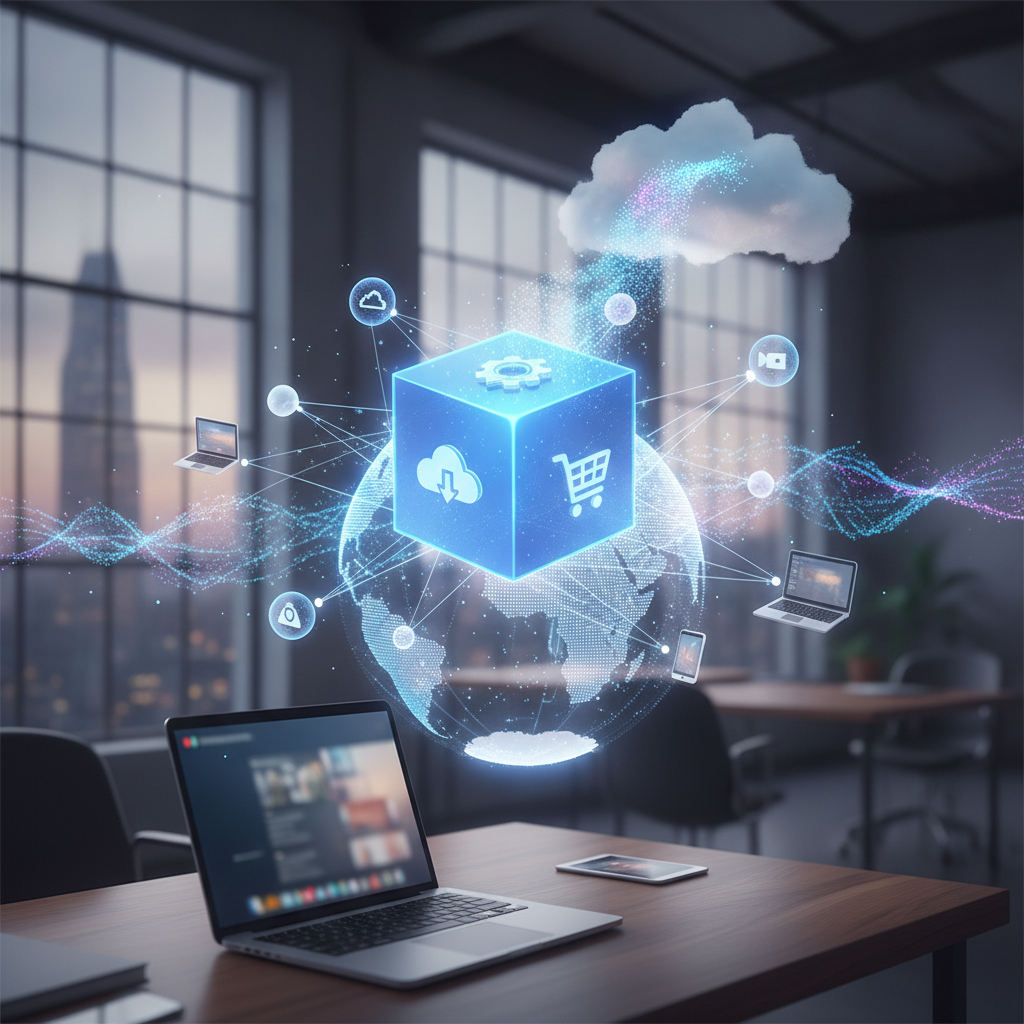
Software-as-a-Service (SaaS) is a cloud-based distribution model where a vendor hosts applications and delivers them to end users over the internet. Instead of purchasing software outright with a perpetual license, users access the application on a subscription basis, typically paying monthly or annually.
Under this model, the software provider handles all infrastructure management, performance optimization, data security, server uptime, and application updates. Users simply log in through a web browser or lightweight desktop/mobile app.
SaaS shifts software from a heavy capital expense into a flexible operating subscription, aligning vendor success directly with long-term customer value.
How the SaaS Business Model Works
To fully appreciate SaaS, it helps to understand the core technical and commercial characteristics that differentiate it from traditional desktop software.
- Multi-Tenancy Architecture: A single application instance serves multiple users (tenants) efficiently, while maintaining strict logical isolation to protect customer data privacy.
- Cloud Hosting: Applications run on scalable centralized infrastructure such as AWS, Google Cloud, or Microsoft Azure rather than local company hardware.
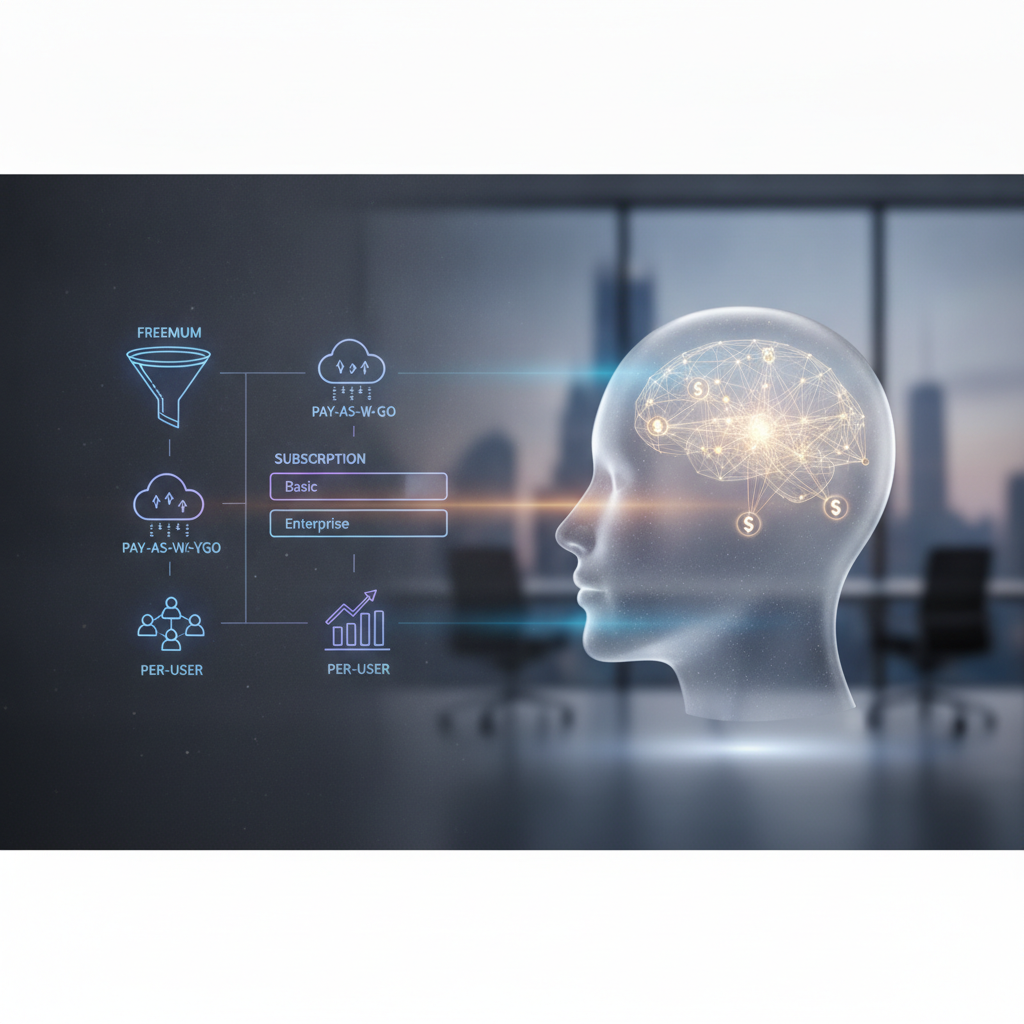
- Recurring Revenue Pricing: Subscriptions are tiered based on seats, feature sets, usage volume, or custom enterprise requirements.
- Continuous Deployment: Product teams can release bug fixes, performance improvements, and new capabilities instantly to all users without requiring manual updates.
Key Advantages of SaaS for Tech Businesses
The massive shift toward SaaS software over the past two decades isn't an accident. The model delivers compelling advantages for both product creators and business buyers.
Predictable Cash Flow and Metrics
Legacy software models relied on volatile, one-time license purchases. SaaS creates predictable, recurring revenue streams measurable through key performance metrics like Annual Recurring Revenue (ARR), Monthly Recurring Revenue (MRR), and Net Revenue Retention (NRR). This predictability makes planning and fundraising far more straightforward for founders.
Frictionless Distribution and Global Reach
Because SaaS tools live on the web, acquiring global users requires no local physical distribution channels. A prospect can discover a product, sign up for a free trial, onboard themselves, and convert into a paying customer within minutes.
Real-Time Product Analytics
Product managers working on SaaS platforms have access to granular user event data. By analyzing how customers navigate features and where friction occurs, product teams can rapidly iterate, optimize user onboarding, and validate hypothesis-driven updates.
SaaS vs. Traditional On-Premise Software
Comparing SaaS software directly with traditional on-premise software highlights why the cloud model has dominated modern application delivery.
- Deployment Speed: On-premise deployment can take weeks or months of hardware installation; SaaS setup is near-instantaneous.
- Maintenance: On-premise requires internal IT teams to maintain hardware and apply patches; SaaS vendors maintain the product centrally.
- Upfront Capital: Legacy software demands high initial licensing and hardware capital expenditure; SaaS relies on accessible recurring operational expenditure.
- Scalability: Scaling on-premise requires purchasing more servers; scaling SaaS simply involves upgrading subscription tiers.
Common Examples of SaaS Platforms
Most modern organizations rely on dozens of specialized SaaS applications across their functional departments daily:
- Customer Relationship Management (CRM): Salesforce, HubSpot
- Team Collaboration: Slack, Zoom, Microsoft Teams
- Productivity and Knowledge Management: Notion, Google Workspace, Coda
- Developer and DevOps Infrastructure: GitHub, Datadog, Vercel
Frequently Asked Questions About SaaS Software
What is the difference between SaaS, PaaS, and IaaS?
SaaS delivers complete, end-user applications (e.g., Google Workspace). PaaS (Platform-as-a-Service) offers environment frameworks for developers to build software (e.g., Heroku). IaaS (Infrastructure-as-a-Service) provides fundamental compute, network, and storage resources (e.g., AWS EC2).
Why is customer retention critical in SaaS?
In a subscription model, customer acquisition costs (CAC) are recovered over time. High churn rates destroy profit margins, which is why customer success, retention strategies, and expansion revenue are vital to long-term SaaS viability.
Can SaaS software run offline?
While SaaS applications depend primarily on active internet connections, many modern products offer localized offline caching, allowing users to continue working seamlessly before syncing data back to the cloud once reconnected.
Ready to Level Up Your SaaS Knowledge?
Understanding what is SaaS software is just the foundation. Navigating product-led growth, optimizing subscription pricing, and reducing churn require ongoing learning and actionable execution.
Take a look around our blog to explore related articles on SaaS metrics, growth strategy, and product development. Have practical insights or real-world experiences to share with fellow operators? We invite you to submit a guest post and join the conversation today!
The SaaS Starter Kit
Join our newsletter and get a curated checklist, templates, and our best saas reads delivered to your inbox.
- Actionable checklist
- Copy-paste templates
- Weekly expert reads
- No spam, unsubscribe anytime
Want to reach thousands of readers?
Publish your own SEO-optimized guest post in SaaS on Stuff Edition.